Six Women. Seven Stages. One Unbreakable Bond.

“Would you do it again?”
In November last year, after finishing the brutal beauty that is Gravel Burn, that was the question I heard most.
And my answer came fast.
Immediate.
Certain.
“Probably not. It was so hard. A once-in-a-lifetime experience.”
But recently, when entries opened again… I asked myself the question quietly.
This time, the answer didn’t come as a steady no.
Because Gravel Burn wasn’t just suffering.
It was wild. Enriching. Transformational.
An adventure. An achievement.
And maybe… yes.
I would do it again.
But not alone.
Only with — and for — a team.
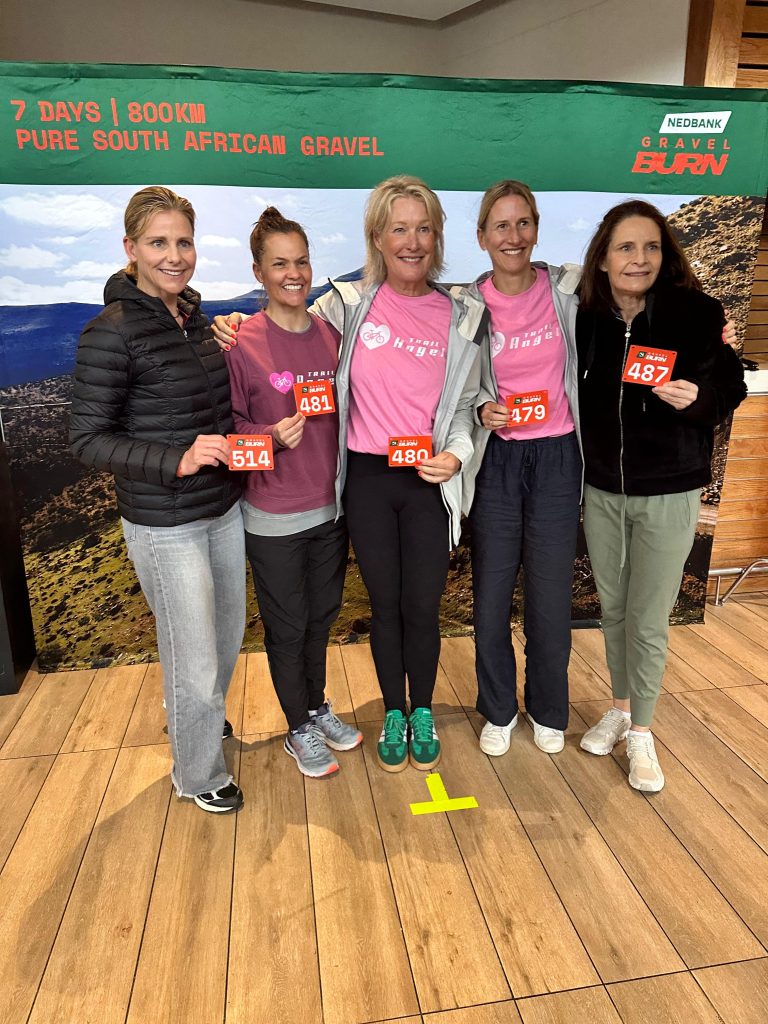
We Were Not the Strongest. We Were the Most Supported.
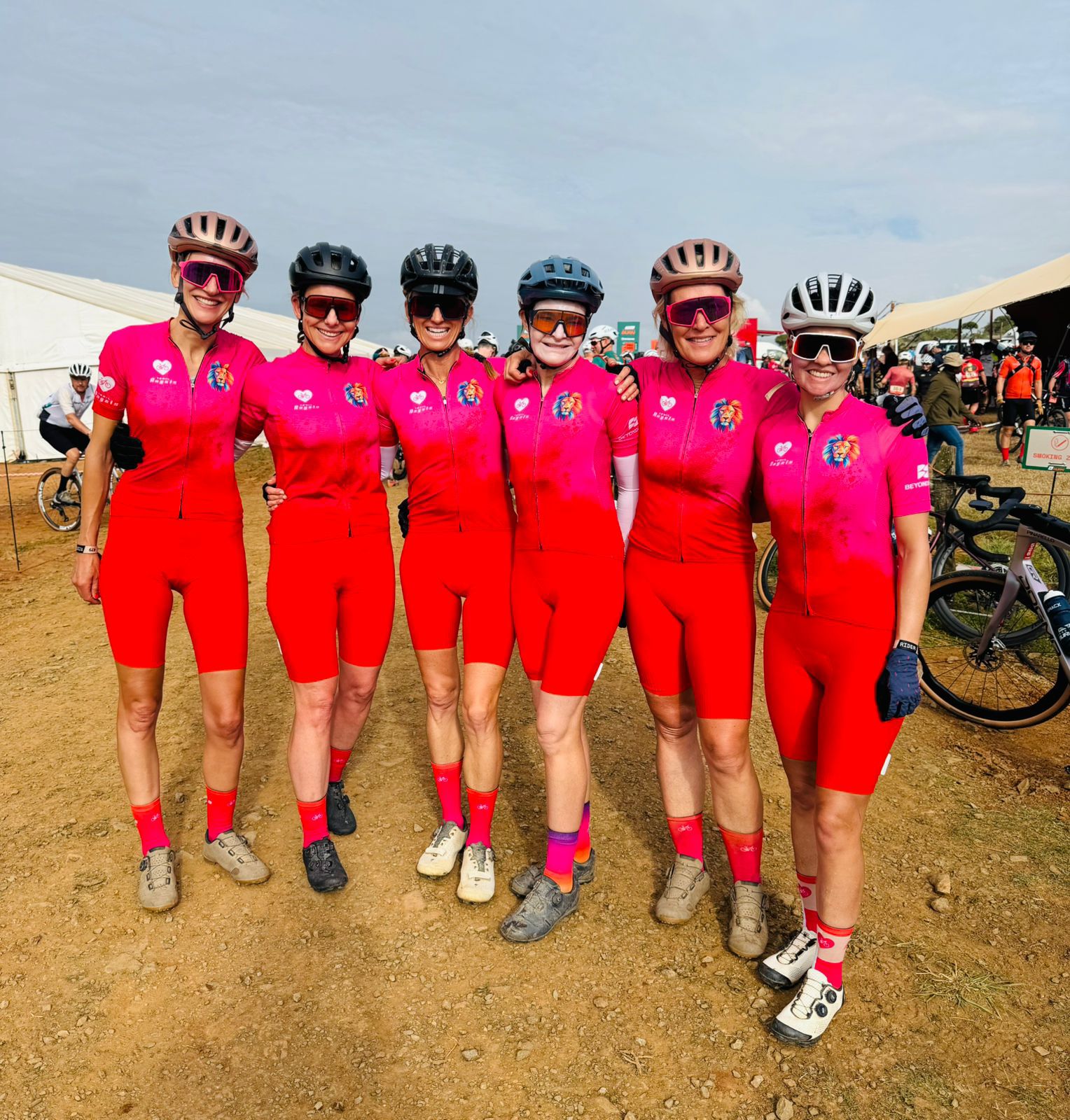
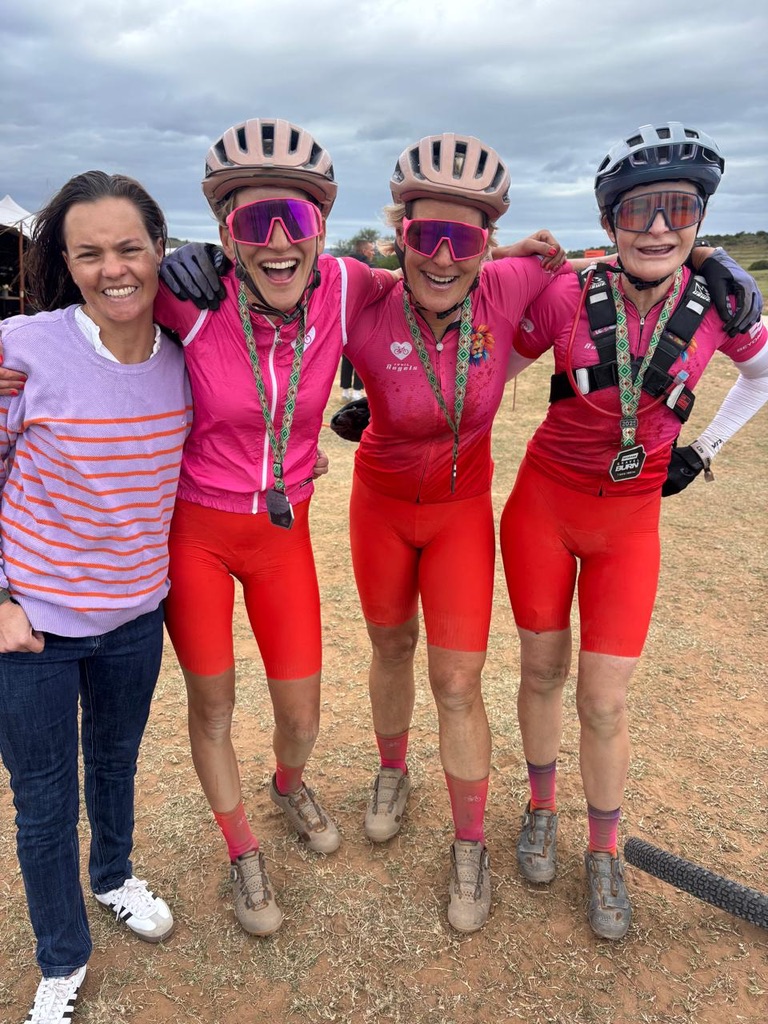
We entered as a team of six women.
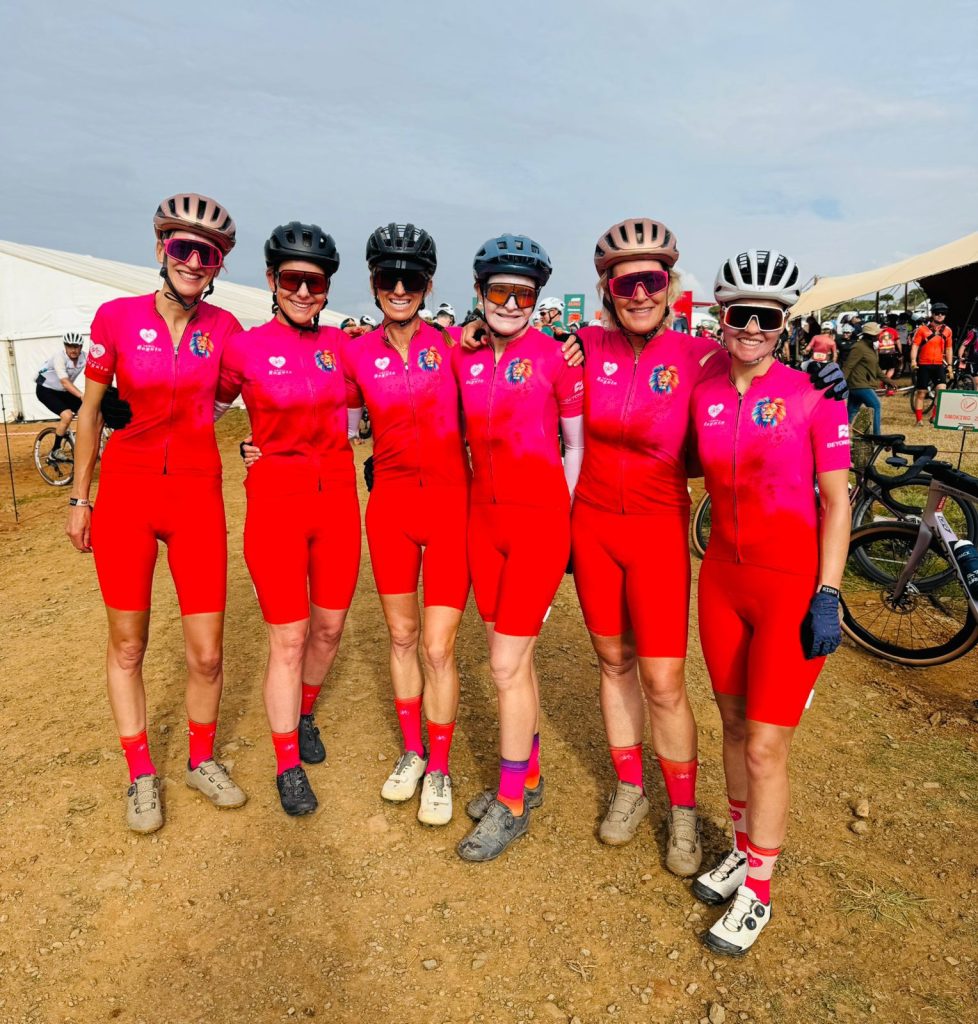
And every single one of us finished every single stage. We all earned our medals — something not everyone who started could say.
Were we the strongest riders there?
The most experienced?
The most strategic?
No.
We were the most supported.
And that changes everything.
Not all of us rode together every single day.
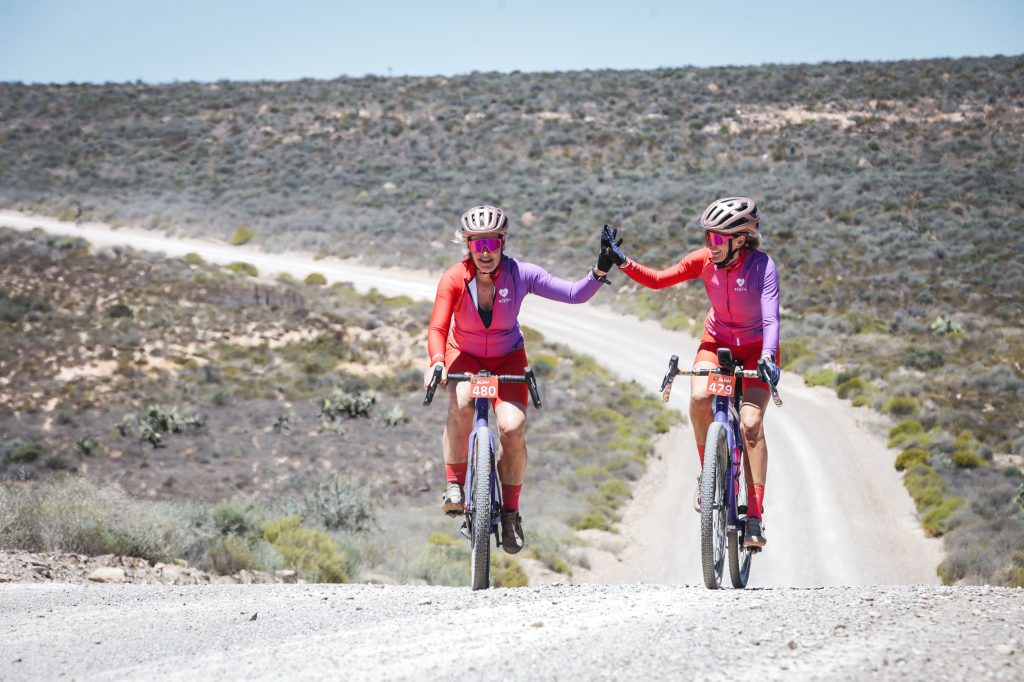
We came with different fitness levels, different goals, different ambitions. Some of us chose to ride certain stages together. Others joined for sections of a day and then followed their own rhythm. Two rode much of the race independently. And two of us treated it like a partner race — side by side from start to finish.
You don’t have to ride at the same speed to belong to the same team.
The Visible Support — On the Bike
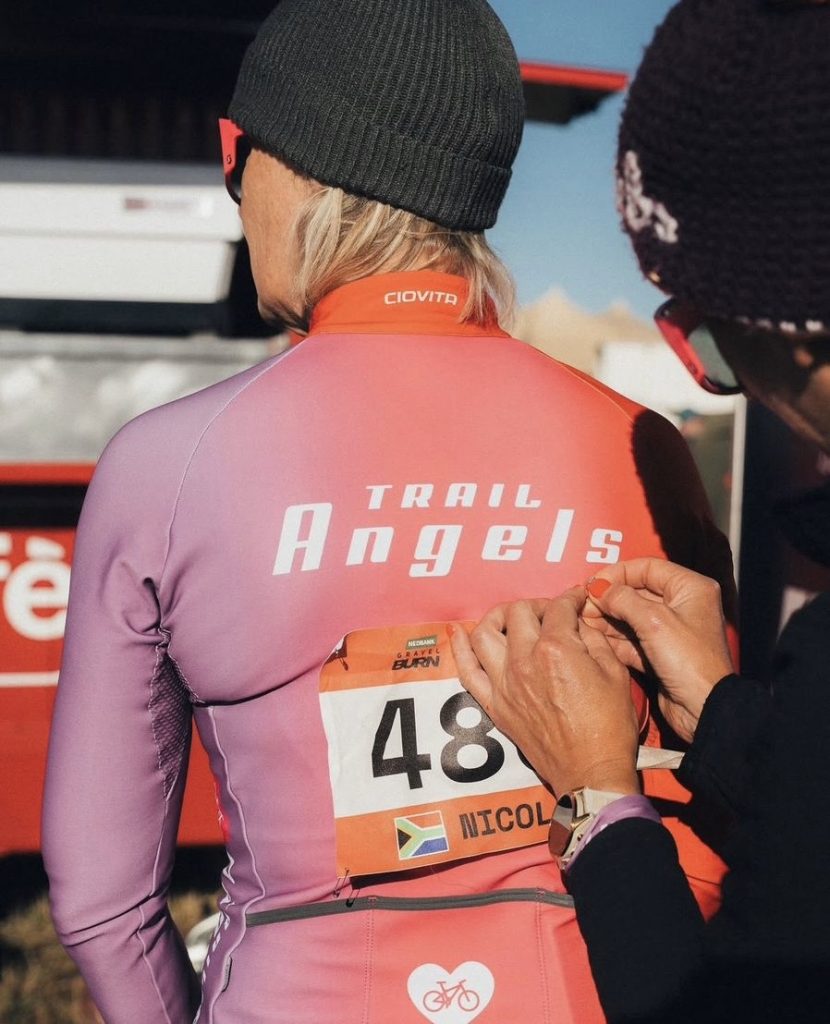
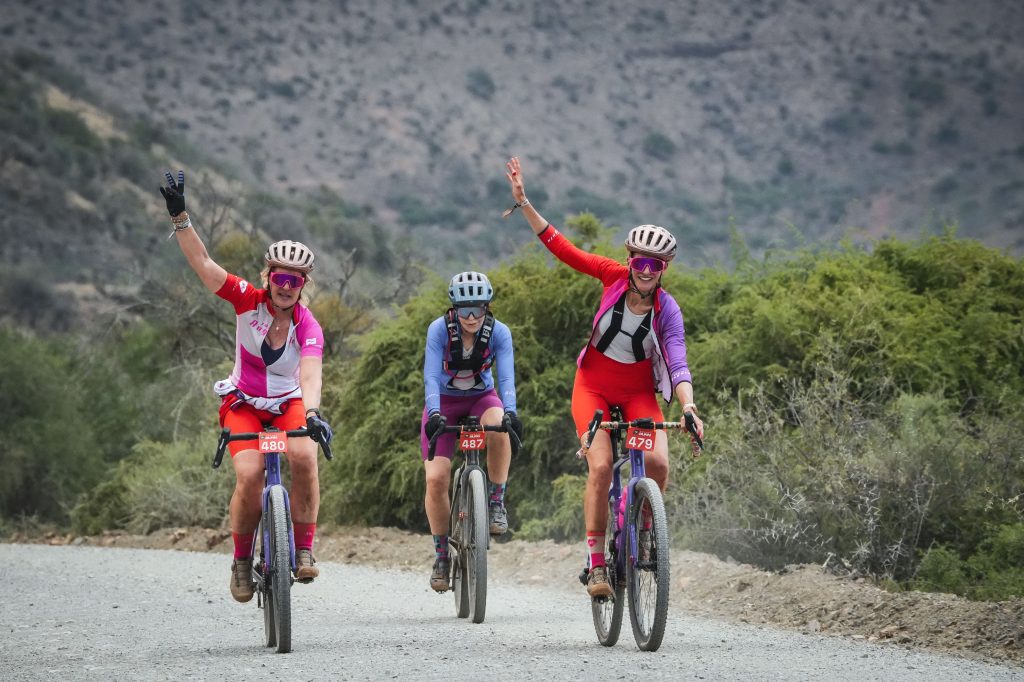
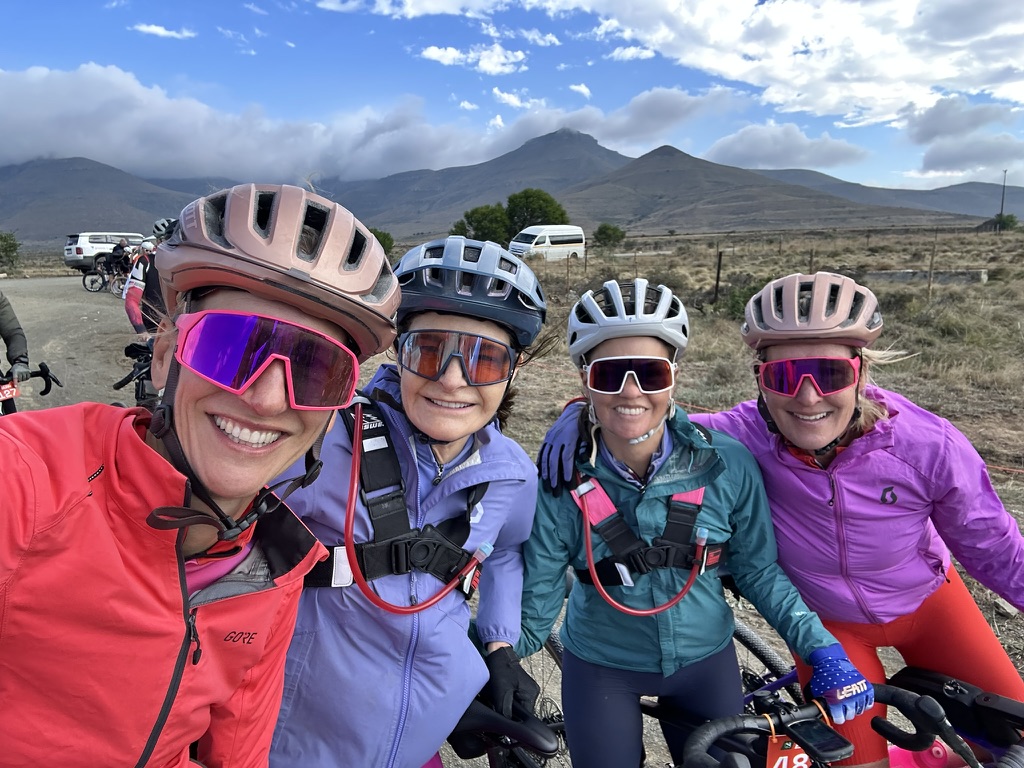

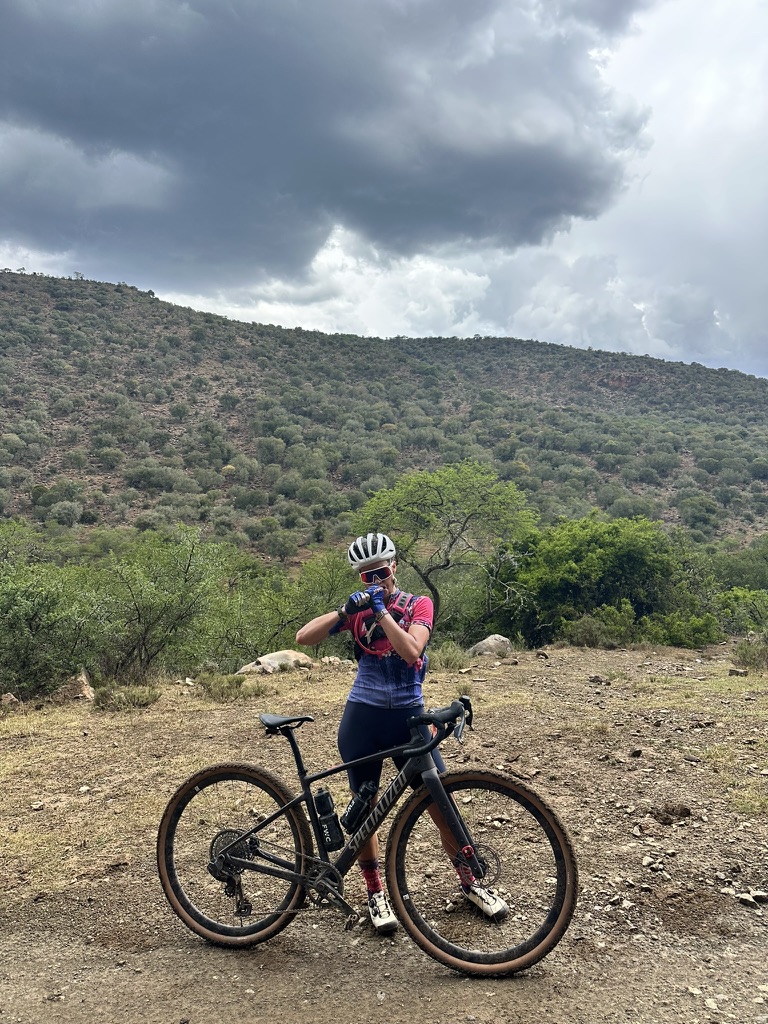
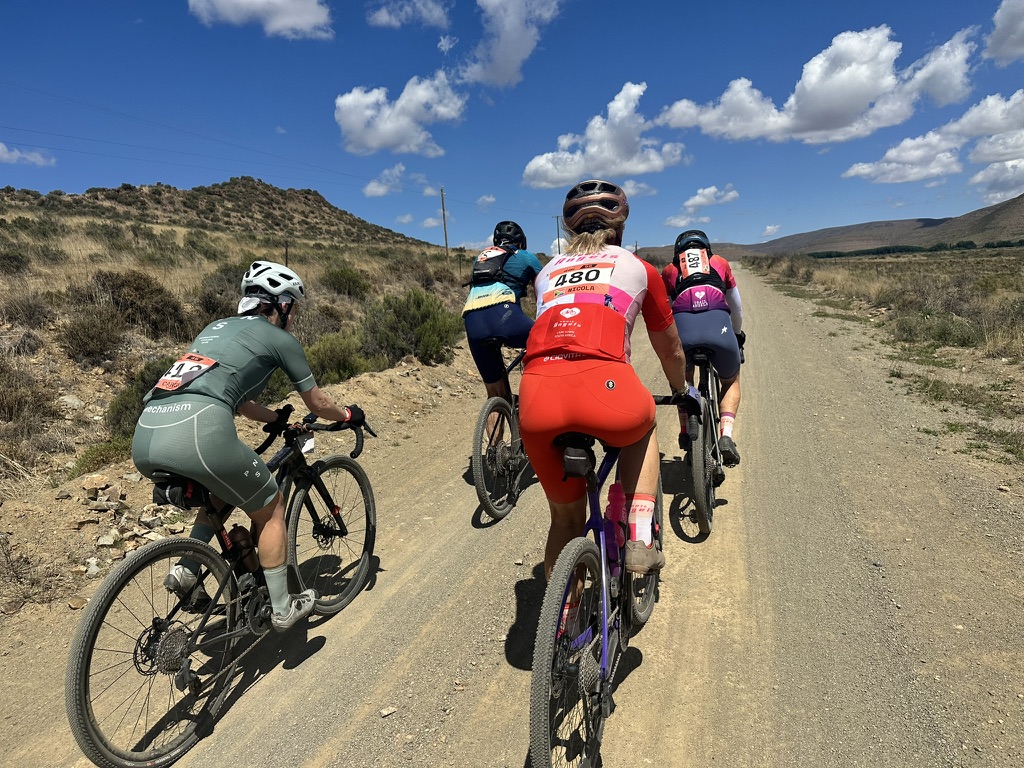
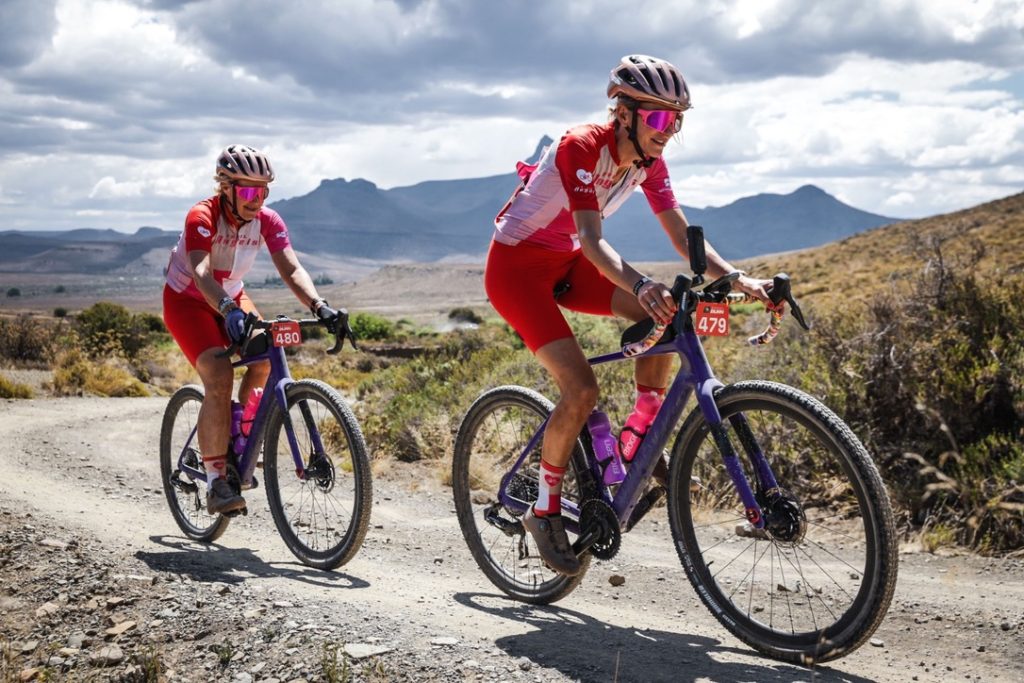
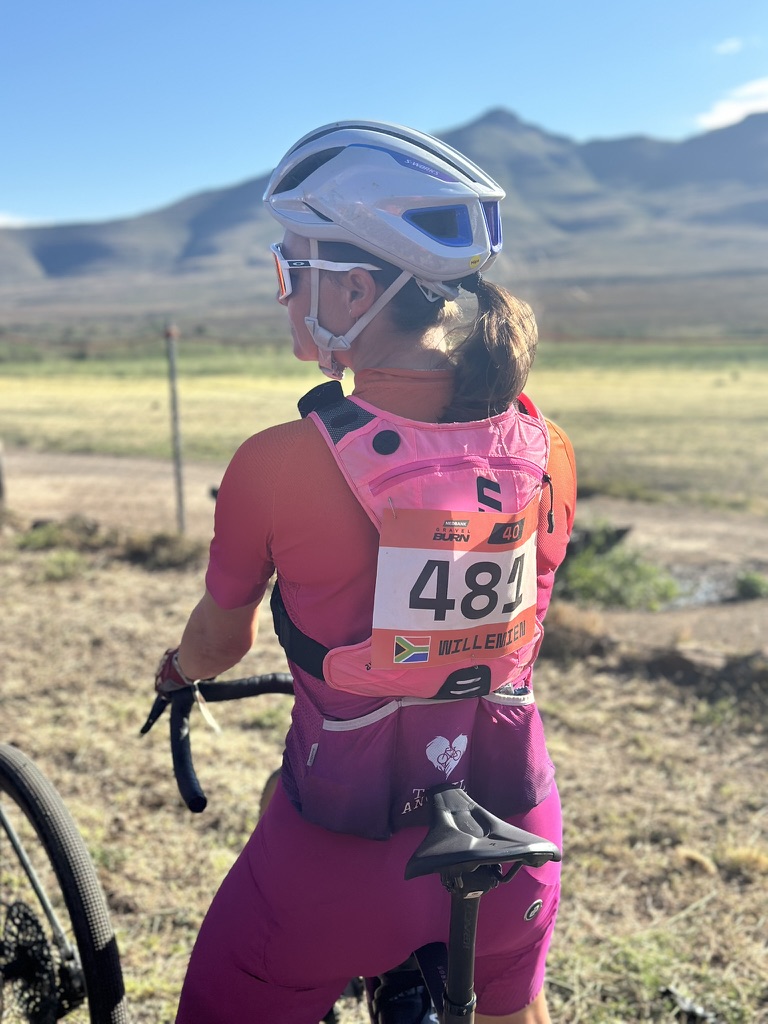
Support on the bike is easy to spot.
Taking the wind when someone is tired.
Checking in: “Have you eaten? Drunk? Are you warm enough?”
The occasional push up a brutal climb.
But it was also quieter than that.
It was:
“We can do this. Just keep pedaling.”
“Not long to the next water point.”
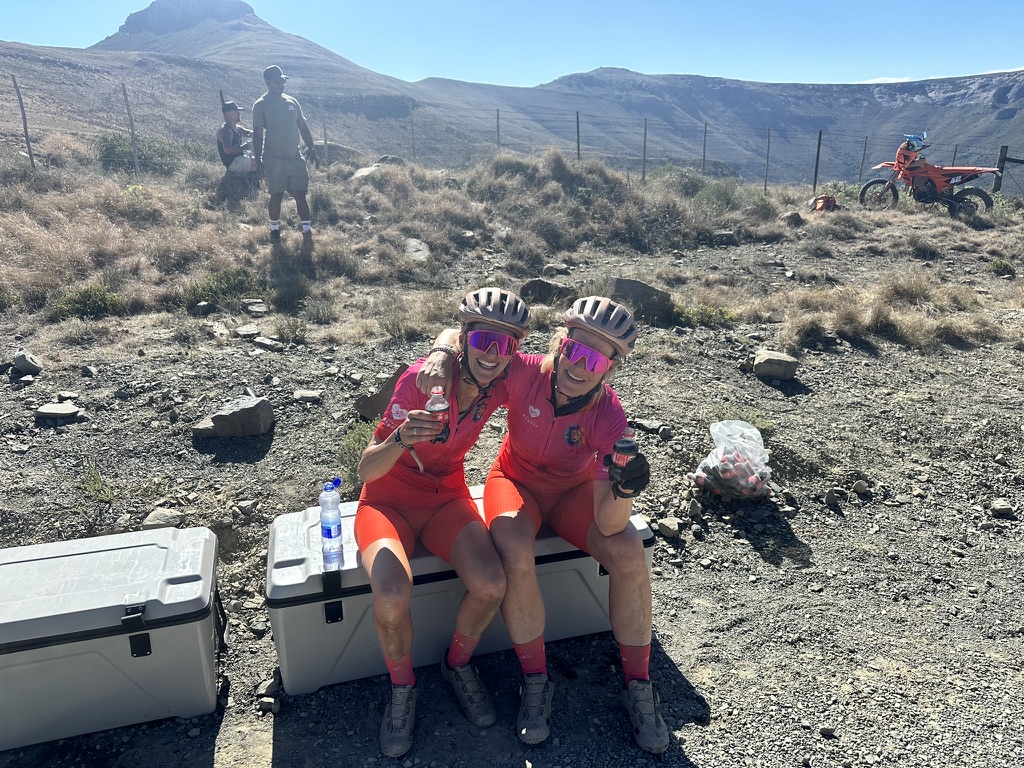
Sometimes it was silence — riding side by side, each of us suffering in our own way but together. A short glance that said: I see you. I’m here.
It was sharing gels when someone forgot to restock.
Sharing bottles when the day got hotter than expected. Stopping without hesitation when one of us needed a wee, a stretch, or to take off a jacket — letting the whole group pass if that’s what it took. Because time can be regained. Teammates can’t.
It was shouting:
“Only 10 km to go!”
“There’s the 1 km flag!”
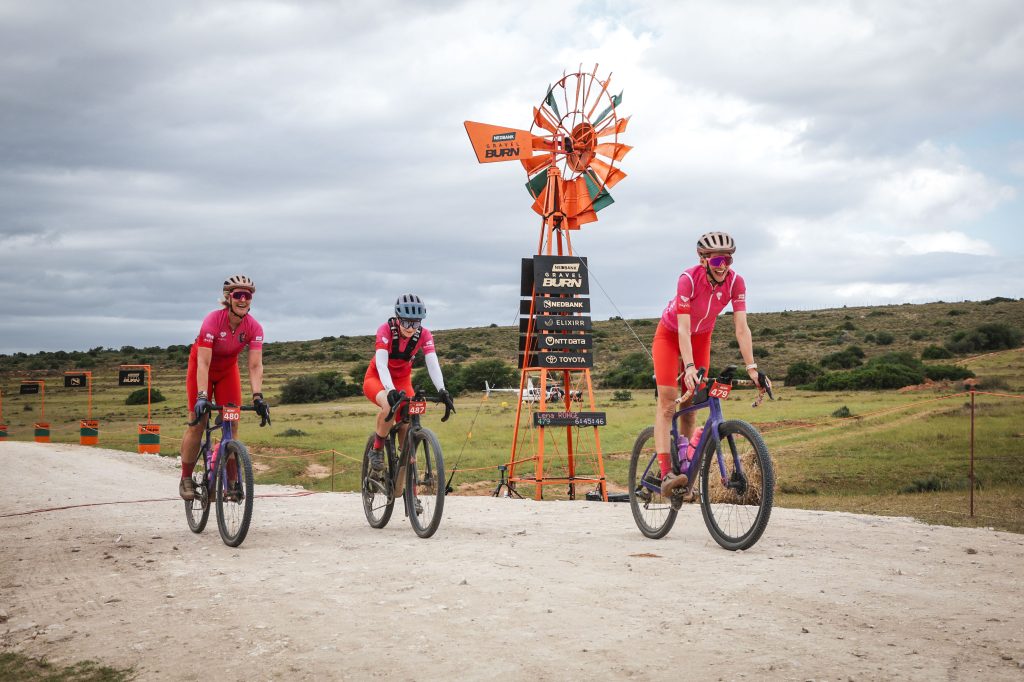
And then — “the windmill.”
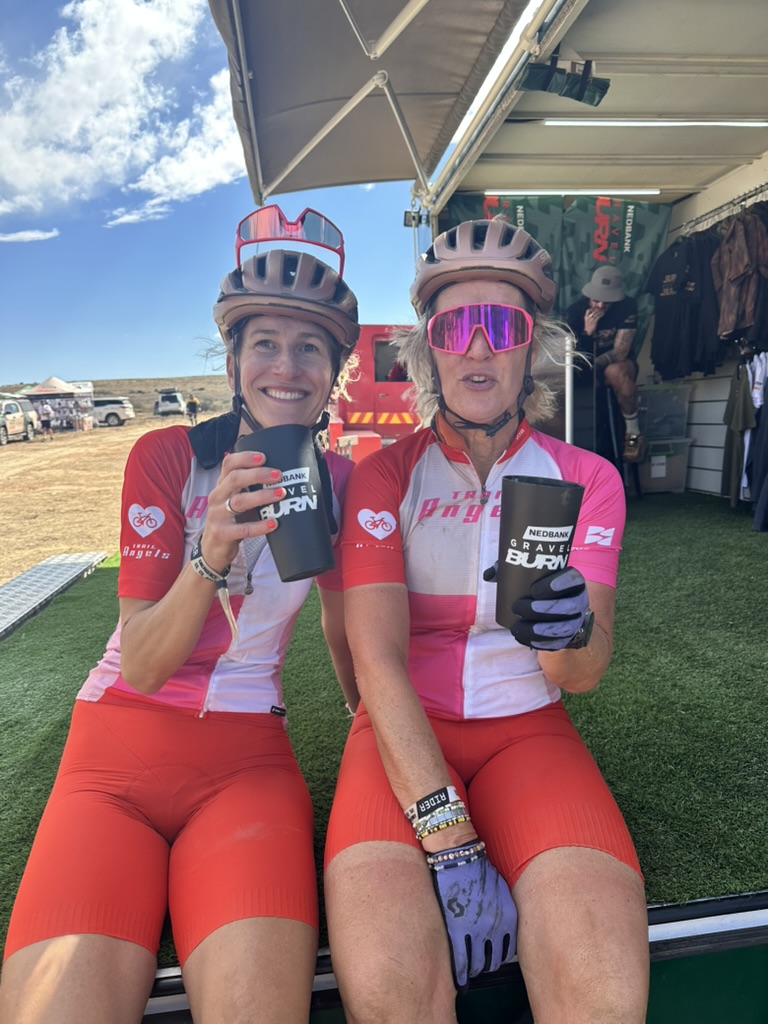
And crossing the finish line every single day with someone next to me.
That never gets old.
The Invisible Support — Off the Bike
But the real magic happened off the bike.
It was the small questions that held us together:
“Gilet or windbreaker tomorrow?”
“Is that enough protein for dinner?”
“Does anyone have Corenza C? Imodium?”
“Chamois cream? Sunblock? Bottles filled? Tyres checked?”
And then there were the small but meaningful gestures that kept us going.
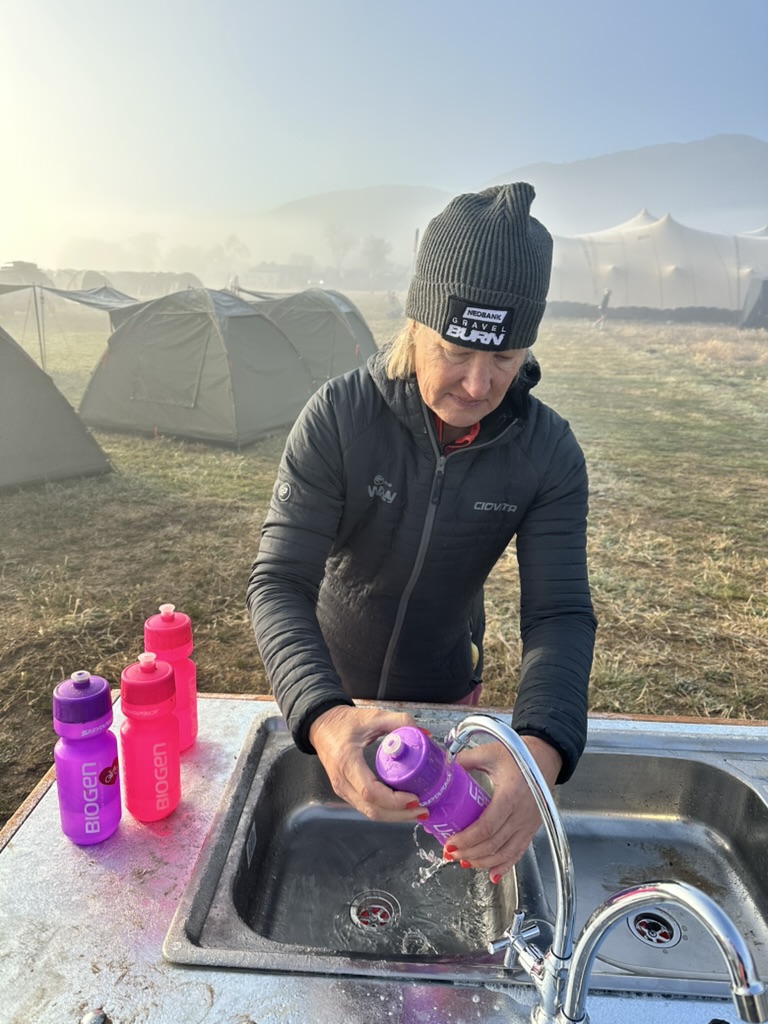
One of us would say, “Let me clean your bottles.”
Her eyes already spoke what words didn’t: I see your hands are cold.
Another quietly offered, “I’ll book you a spot at the compression boots.”
No words were needed to say: I can see you’re tired and don’t want to walk all the way there.
The words were practical.
The message underneath was always the same:
I see you.
I’ve got you.
The care rotated. The support moved between us.
No one carried the team. We all did.
And that is what made it powerful.
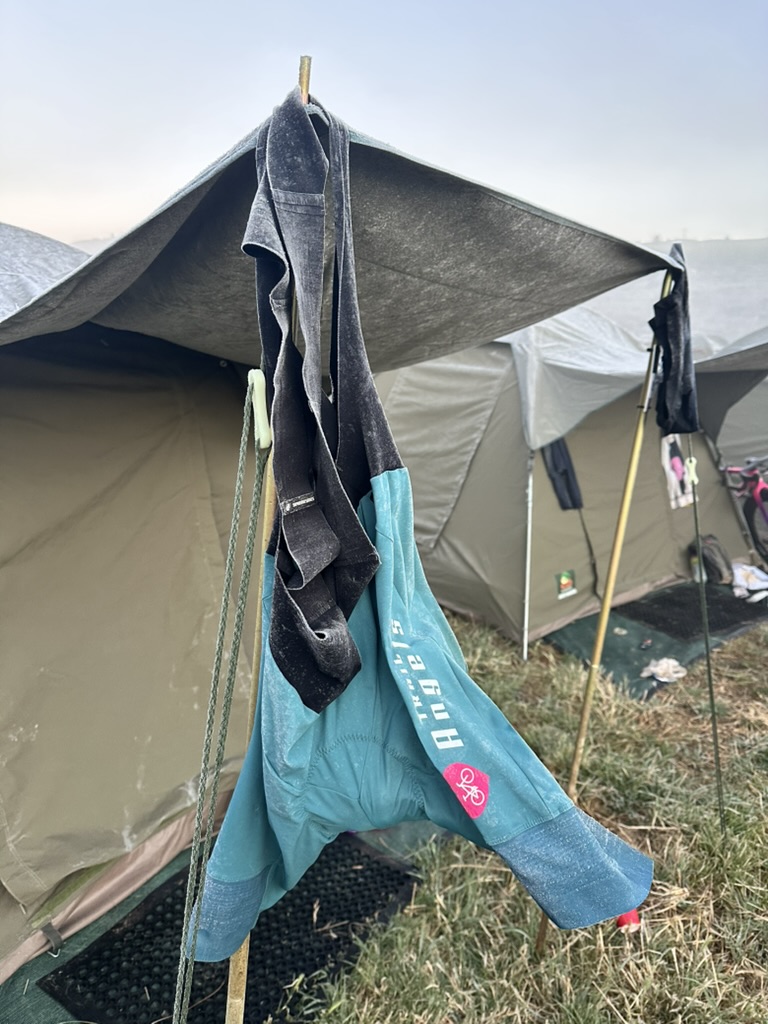
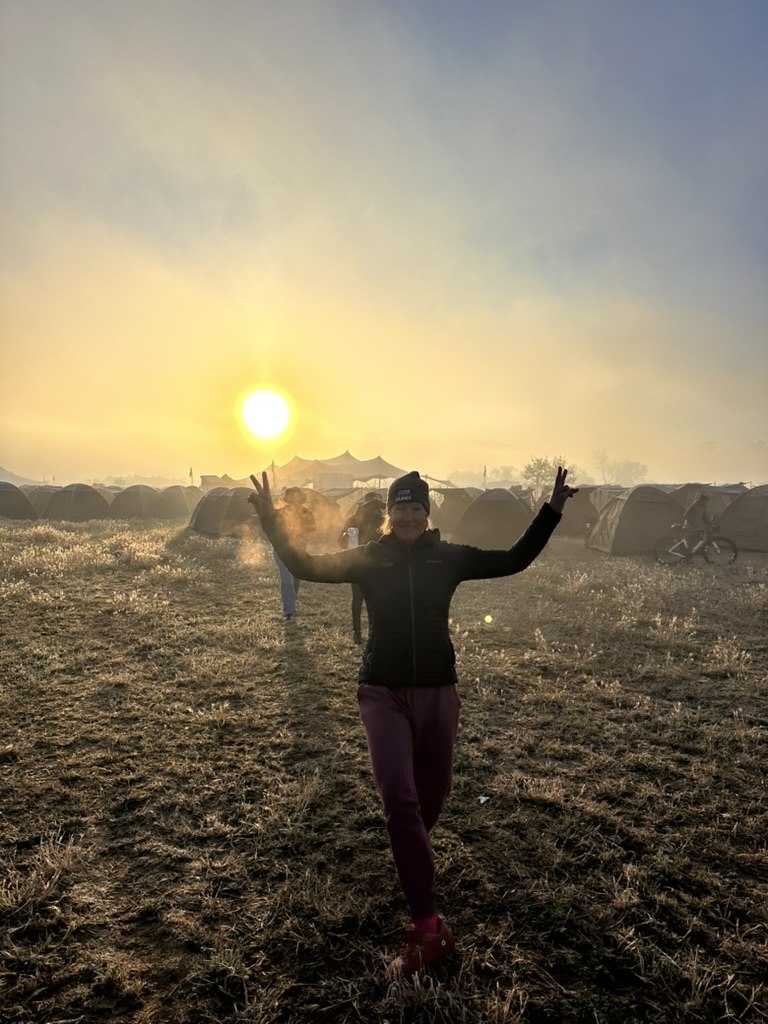

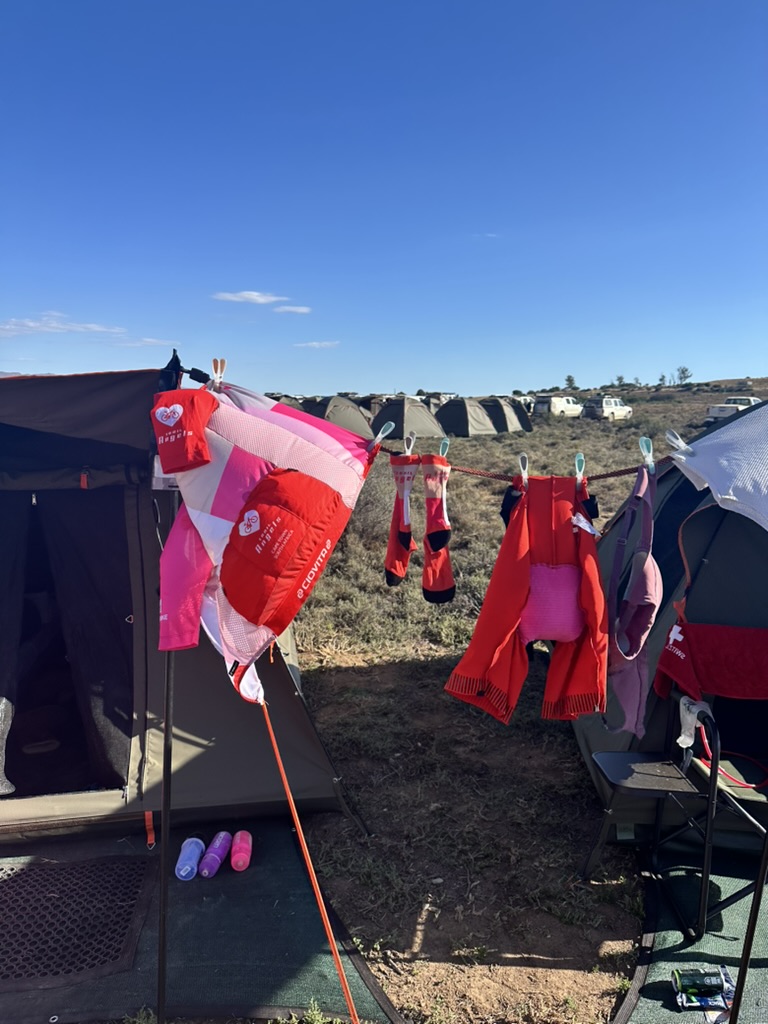
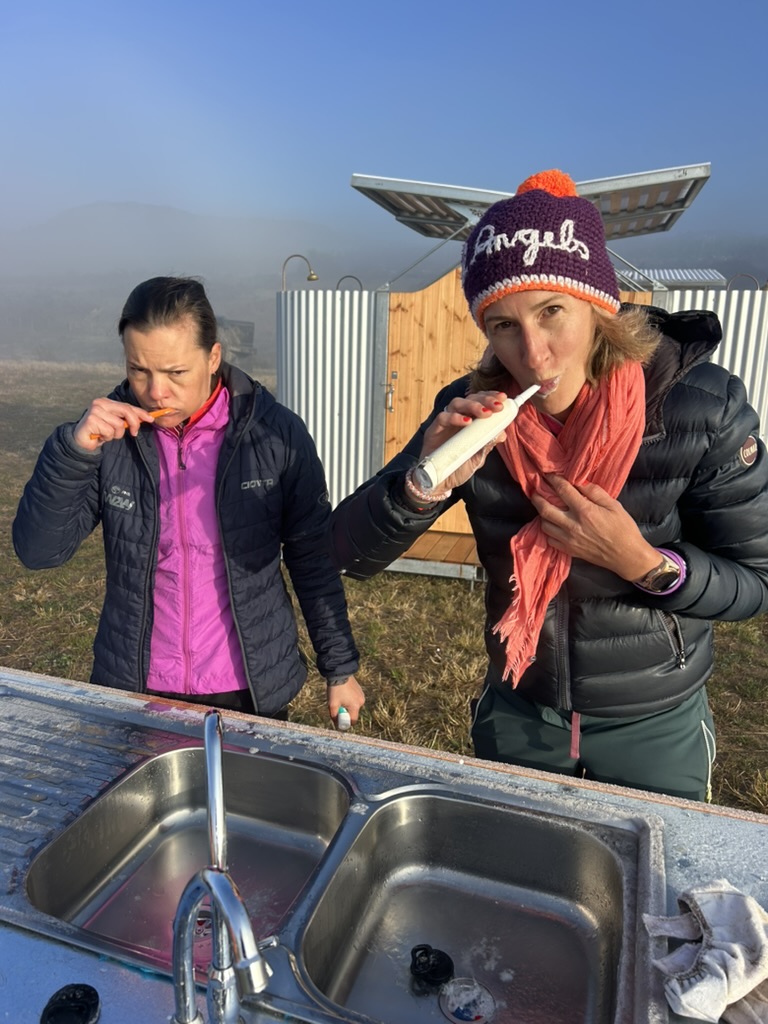
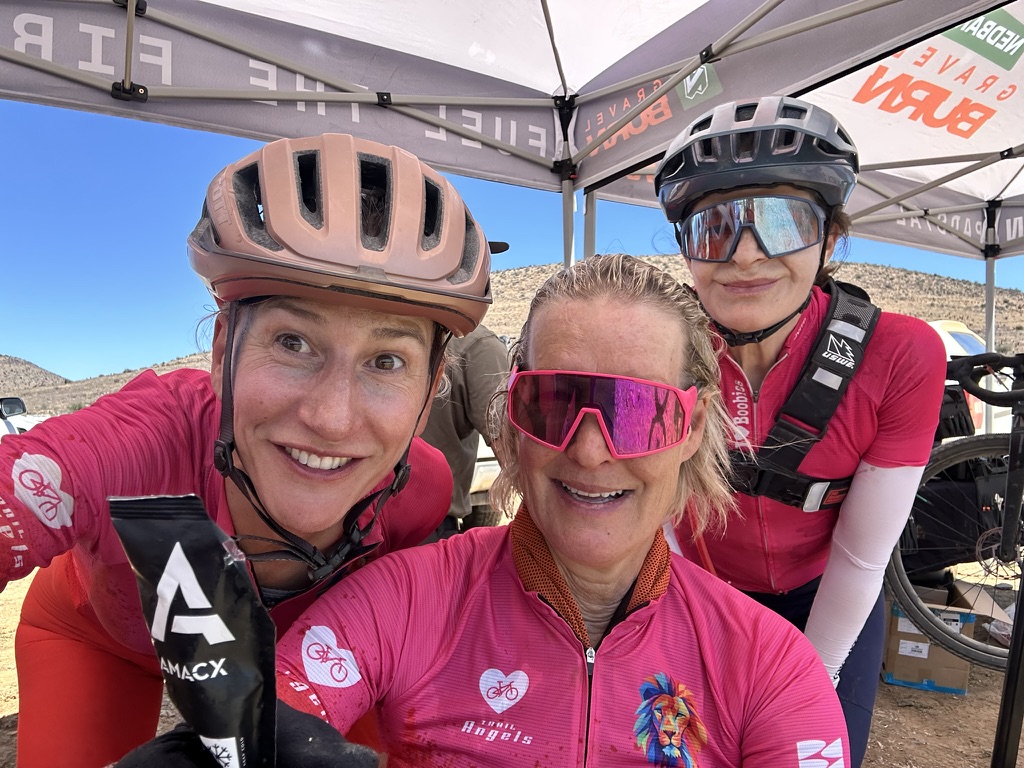

It was analyzing the next day’s route together.
Studying climbs. Planning where to conserve energy.
Using past speeds and Strava segments as proof that yes — we are capable of this.
It was emotional intelligence in action.
When one doubted, another believed harder.
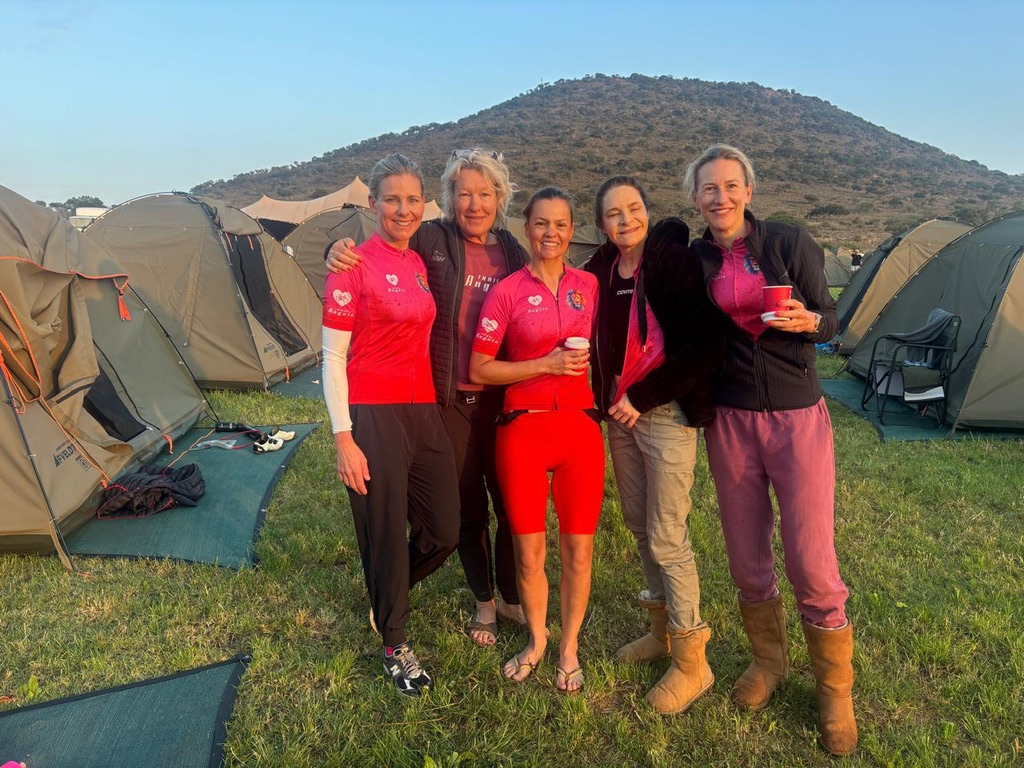
It was walking to the Vida truck at dawn and saying:
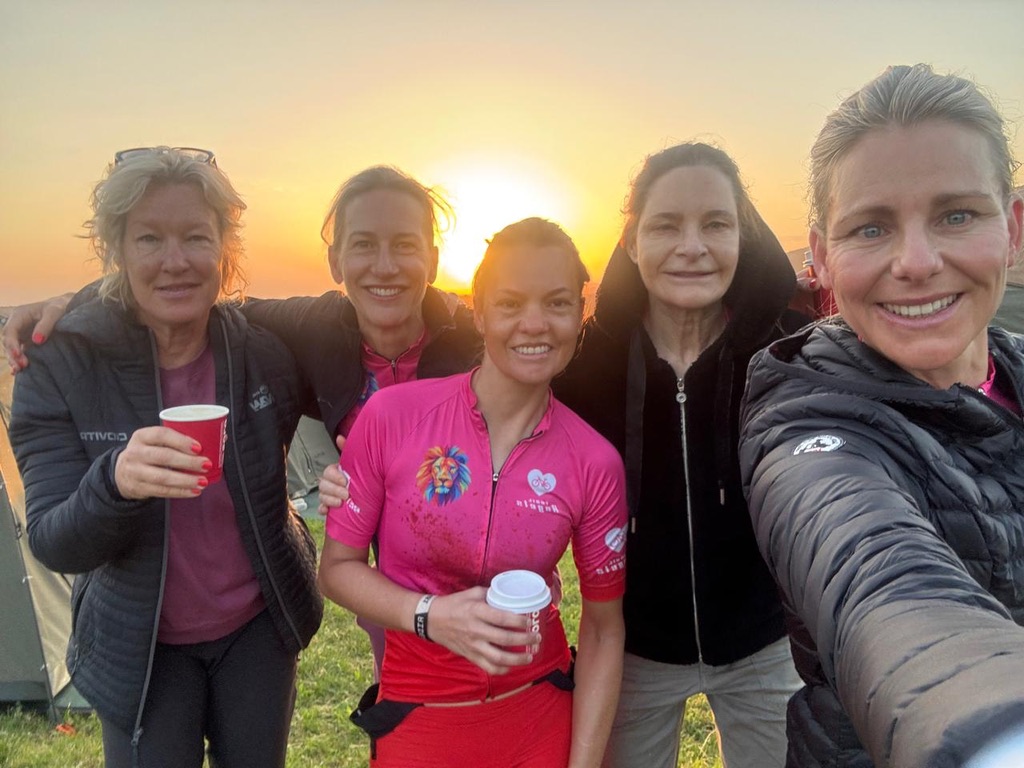
“I need six coffees.”
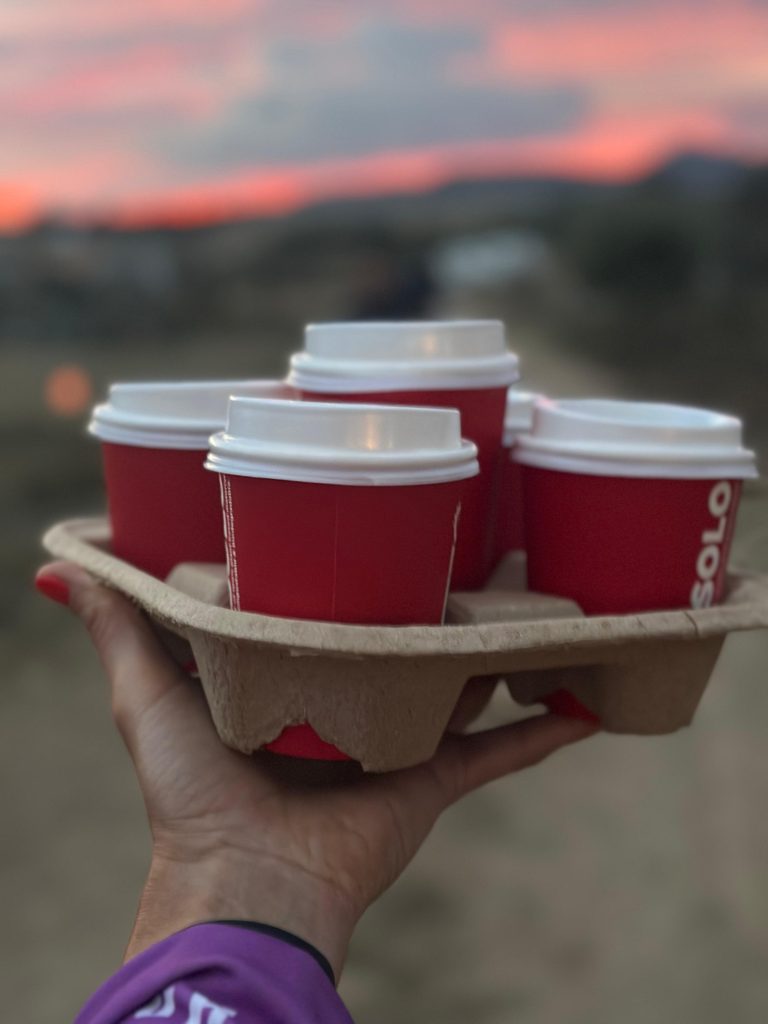
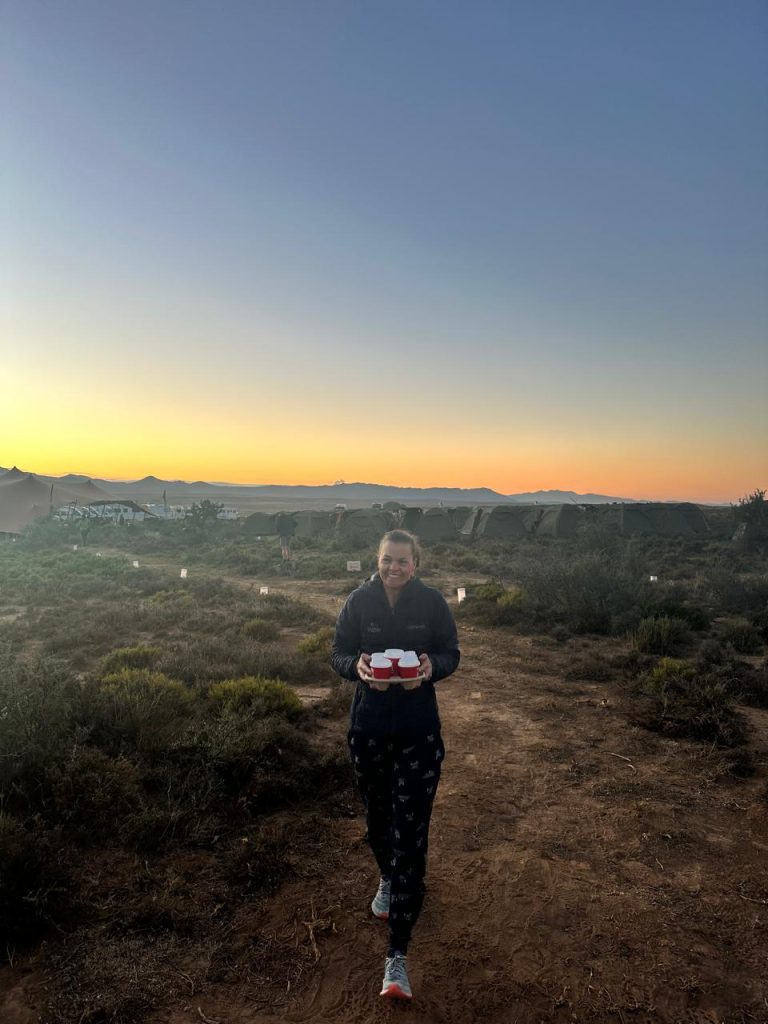


And feeling proud to belong to something bigger than myself.
Delivering them to tired faces peeking out of dusty tents.
Watching those first grateful smiles of the morning.
It was finishing late and seeing faster teammates already showered, waiting at the line to cheer you in. Ordering you a cold drink before you even asked.
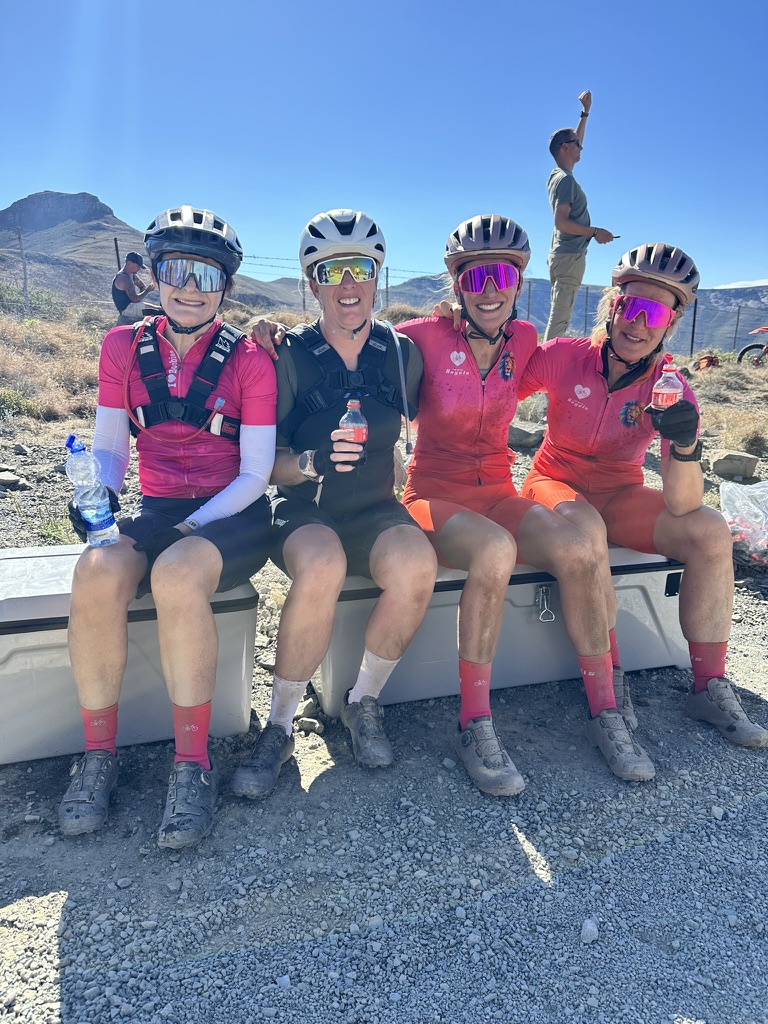
And then — it was dinner.
The Stories Around the Table
Dinner wasn’t just refueling.
It was decompression.
Confession.
Celebration.
Around those long tables, sunburnt and dusty, we became more than riders.
We spoke about the moments we almost cracked.
The tears we swallowed on a climb.
The fear when the wind howled and the road felt endless.
We admitted where we doubted ourselves.
Where we felt strong.
Where we surprised ourselves.
There was laughter — the kind that comes from exhaustion and relief mixed together.
We replayed the day in stories.
“The headwind after the water point.”
“That descent through the valley.”
“The moment we thought we wouldn’t make the cutoff.”
And then someone would say quietly:
“But we did.”
In those shared stories, something powerful happened.
The hard parts became lighter.
The proud moments became bigger.
And the suffering transformed into meaning.
That is where resilience becomes real — not in isolation, but in being witnessed.
What Gravel Burn Really Taught Me
Gravel Burn was never just about watts or pacing.
It was about belonging.
It was about women lifting women.
It was about knowing that when your strength runs low, someone else will carry belief for you until it returns.
We didn’t finish because we were individually exceptional.
We finished because none of us was willing to let another fail.
That is the power of a team.
That is the power of Trail Angels.
So… Would I Do It Again?
Yes.
But not to prove something to myself.
I would do it again for:
The shared suffering.
The six coffees at dawn.
The support we gave and found.
The dinner table stories.
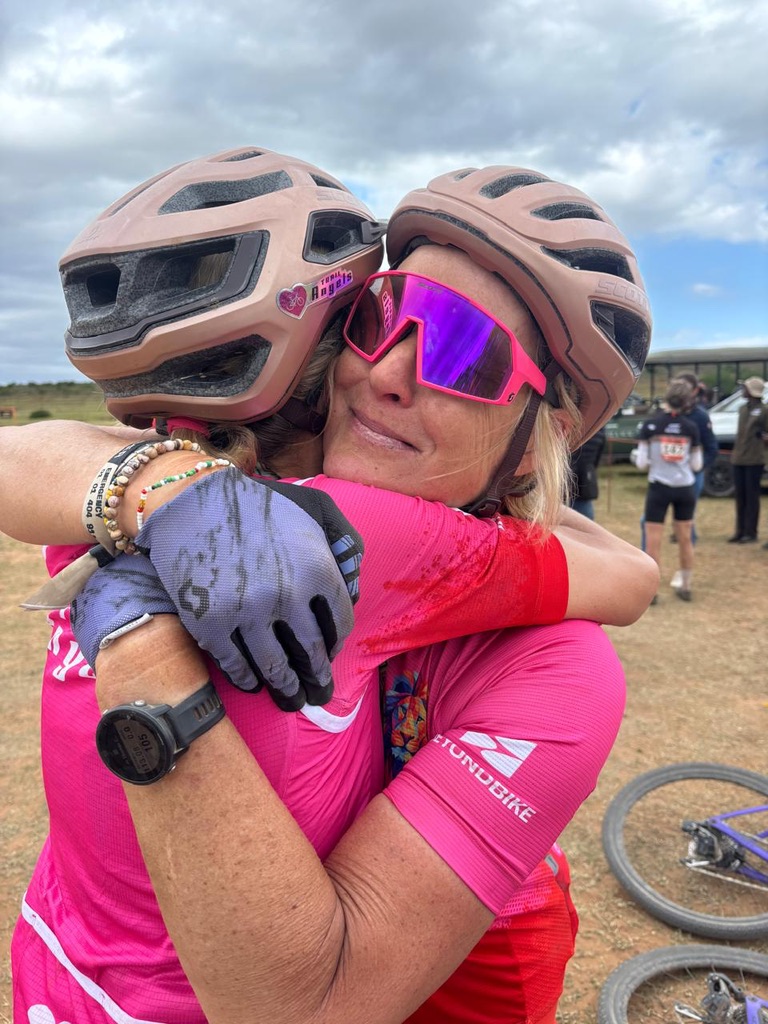
The finish line hugs.
Because achievement is powerful.
But shared achievement?
That’s unforgettable.
And if I ever line up at Gravel Burn again, it will be with a team beside me.
Always.


